
By Kelby Cumpston
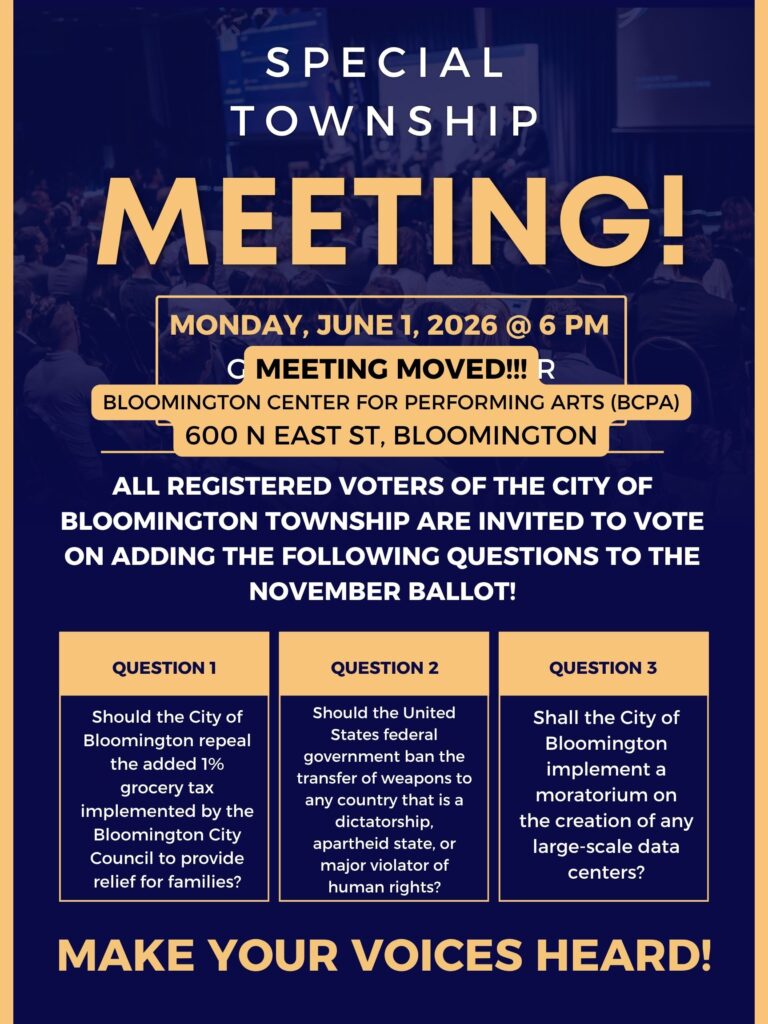
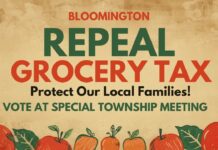
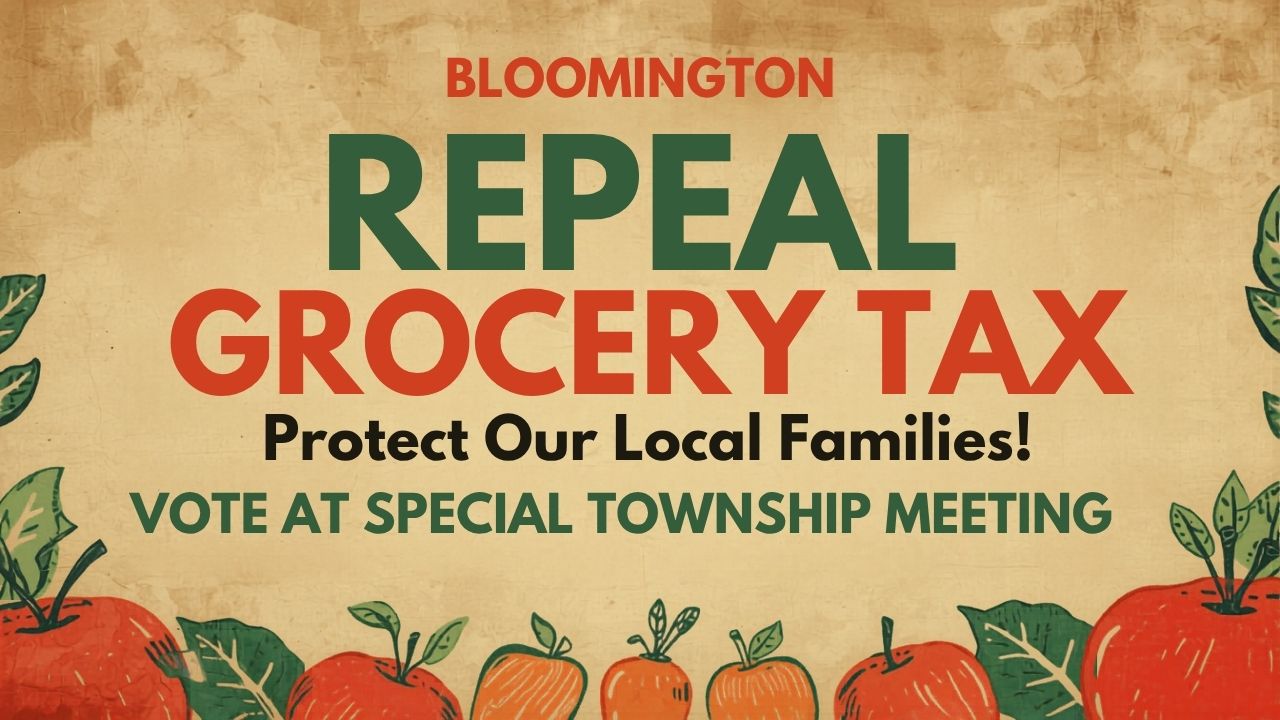
Late last year, our city had the opportunity to eliminate one of the most regressive taxes we pay, the grocery tax. Unlike the motor fuel tax that began in 1929, the 1% tax on groceries has only existed since the 1990s and has proven to be an experimental failure. The State of Illinois, which originally passed the tax, recognized its negative impact on families and repealed it. Unfortunately, roughly half of Illinois cities, including Bloomington, issued their own matching versions without a community vote. With the ballot question before us, we now have the chance to provide feedback.
The regressive nature of this tax is simple: food is something everyone needs. The amount of food a household buys depends on its size, meaning large families are hit hardest because they have more mouths to feed. A middle‑income family of five, even with coupons and bargain‑hunting, will still spend more than a high‑earning couple buying premium foods. Everyone pays the tax, no one can avoid it, and those who make less money feel a greater impact on their budgets.
During council discussions about creating a local version of the sunsetting state tax, it was noted that families using SNAP benefits would not be taxed since SNAP purchases are tax‑free. However, SNAP is a supplemental program and rarely covers all groceries for a household for an entire month. Once SNAP funds are exhausted, families still pay the grocery tax on remaining purchases. This affects larger families and seniors on fixed incomes who rely on SNAP in a very negative way.
The city presented the 1% grocery tax as a serious necessity to meet budget demands. The funds raised from this tax have always gone directly to the general fund, which pays for nearly everything in the city. Unlike the gas tax, which is dedicated to street maintenance, the grocery tax simply adds to the overall fund. The city had over a year to prepare for the state’s grocery tax reduction initiative, yet instead of offering multiple options to the council, the only alternative presented was a budget cut.
City revenue from other existing sales taxes has consistently risen and exceeded expectations since COVID‑19. General sales taxes have increased, and in the past five years, new revenue streams such as cannabis taxes and online sales taxes have added even more. During the latest budget cycle, council members noted that sales‑tax revenue was much higher than expected, raising questions about why property taxes were increased. Rather than questioning the property‑tax hike after years of stability, we should ask why the grocery tax was passed when other sales‑tax revenues already exceeded budget projections.
It is unique that the state gave us the opportunity to reduce taxes, and we squandered it. Still, we have a chance to bring this decision back for reasonable evaluation. One way to ensure the grocery tax does not become a permanent part of our budget is to show dissatisfaction by voting against it in the fall. Although the vote is non‑binding, it will send a clear message that Bloomington residents want the City to reassess this decision during the next annual budget cycle.